
If you’re wondering how to spend 48 hours in Kathmandu, know this — some cities let you ease in — Kathmandu isn’t one of them. It rushes at you in full color with the temples, rickshaws, sizzling momo stands and incense smoke all tangled together in a heady welcome. Two days might seem short, but it’s enough to soak in its culture, visit its most famous landmarks and experience its energy firsthand.
From sunrise views at sacred stupas to nights filled with music and momo, this itinerary packs in the best of Kathmandu. Let’s make those 48 hours count.
Day 1: Cultural Immersion and Historic Sites
Kathmandu wears its history openly. It’s not locked behind museum glass — it’s baked into the streets, carved into doorways, echoed in chants from temples older than most nations. Day one is all about walking into that story.
Morning: Kathmandu Durbar Square
Start your morning where the city once ruled itself: Kathmandu Durbar Square. It’s a UNESCO World Heritage Site that served as the royal palace complex during the Malla period and continued as a center of power during the Shah dynasty. The square is a living tapestry of Kathmandu’s political and cultural history, where coronations took place, festivals were celebrated and royal decisions once shaped the future of the valley and it’s a must visit location.
Mid-Morning: Swayambhunath Stupa (Monkey Temple)
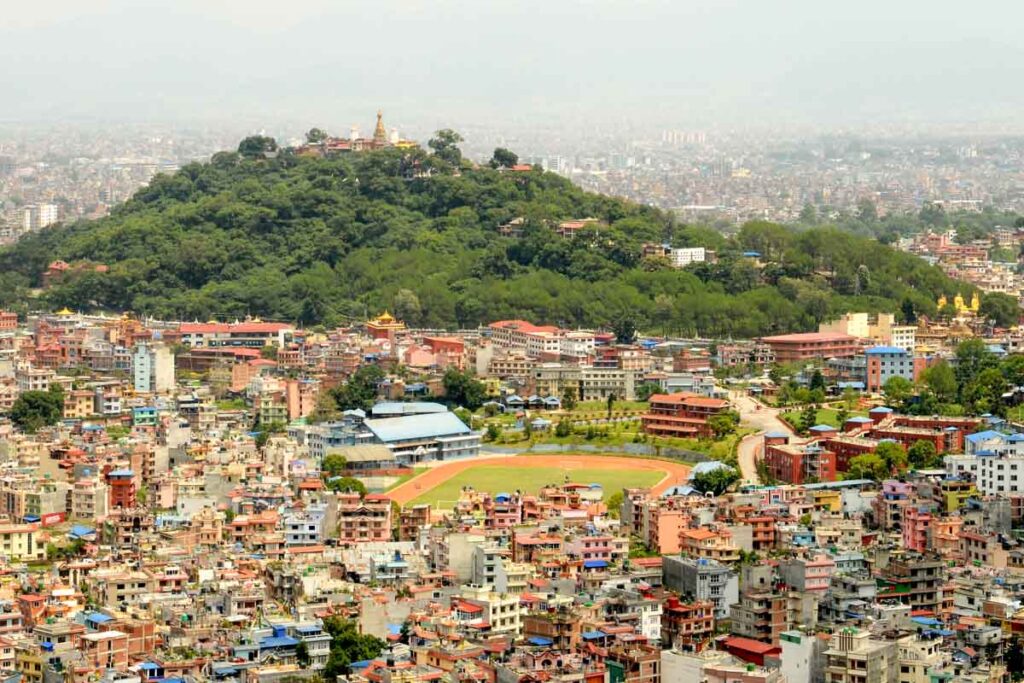
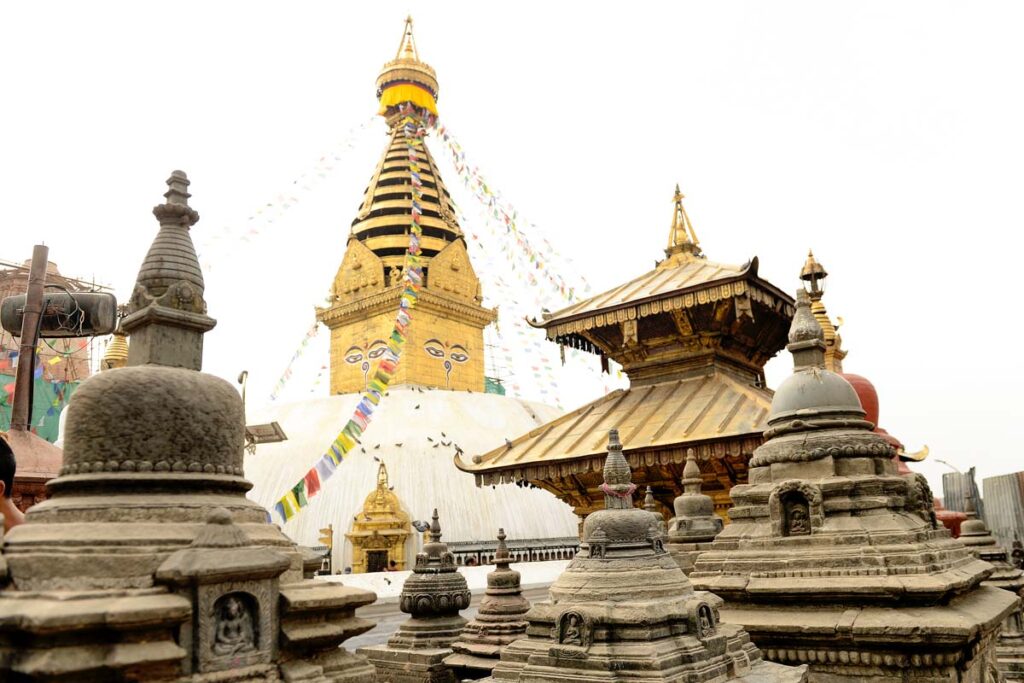
Hop into a cab and head to Swayambhunath, known for its hilltop stupa and its bold, banana-snatching residents. Monkeys are everywhere, clambering up railings and eyeing my snacks. The climb is steep, but then the city opens up beneath me. Prayer flags ripple in the breeze, while the steady hum of mantras and the soft clatter of spinning prayer wheels fill the air. The sounds blend into something steady and meditative, rising above the city below.
In the photo below you can see that the Monkey Temple sits high above the city. The monkeys may sound appealing if it’s your first monkey experience, but don’t trust them, they steal and they’re quick too. And those teeth? They’re scary, like rusty nails – my advice is keep your distance.
Afternoon: Patan Durbar Square
Cross the Bagmati River into Patan and step into a space that moves at a different rhythm. The streets quiet down and the focus sharpens, slowing everything to a deliberate pace where each detail — the curve of a temple roof, the texture of hand-carved stone — comes vividly alive. Patan’s Durbar Square is smaller, but it’s dense with detail.
Lose time in the Patan Museum — bronze statues of deities, ancient coins, detailed explanations of tantric rituals. Just outside, artisans still work metal and wood by hand. It is daily life — craft passed through generations, practiced with precision, not for tourists, but because it still matters.
Evening: Thamel District
Reach Thamel by sunset, when the neighborhood starts to glow and the energy shifts into something more electric. It’s touristy, yes — but it still pulses with real energy, shaped by both locals and travelers who’ve made it their temporary home. Neon signs buzz above shops overflowing with trekking gear and incense.
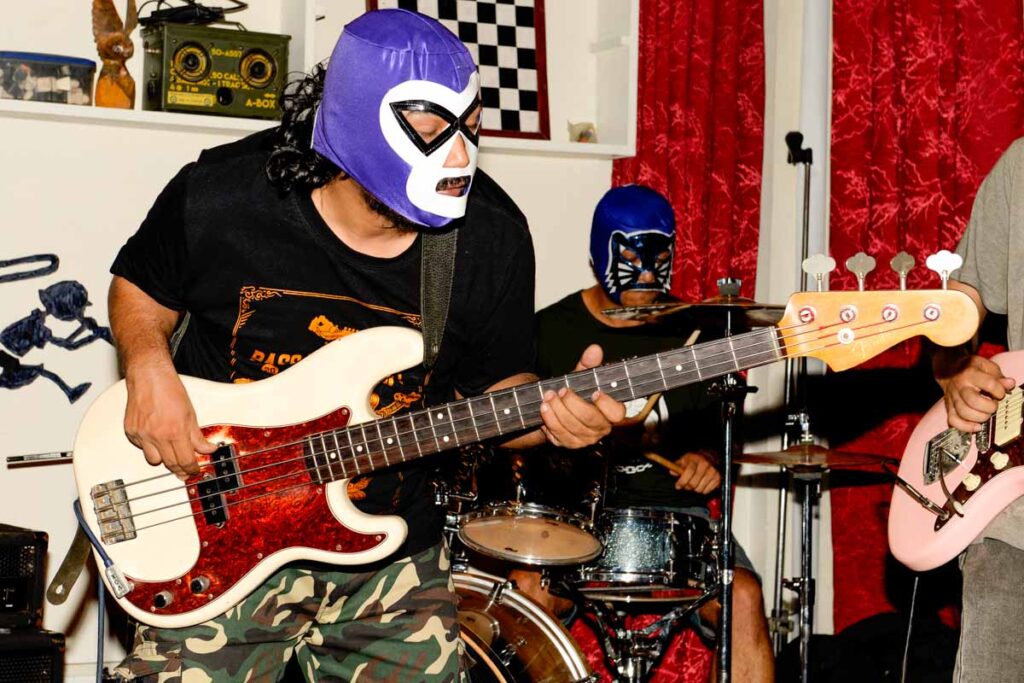
Duck into a small eatery where the momo arrives too hot to eat but impossible to wait for. The dal bhat is hearty, served with pride — lentils rich and comforting, rice perfectly steamed, and a mix of pickles and vegetables that bring every bite to life. A band starts tuning up in a rooftop bar, sending music drifting down into the street as the whole neighborhood exhales into the night.
Like I say, it’s touristy here yes, but I found it impossible not to make friends here, and if you can get talking with the locals, then a whole new Kathmandu will open up for you, the locals are warm, friendly, and respectful.
Day 2: Spiritual Sites and Local Markets
Day two isn’t about ticking boxes — it’s about getting closer to rituals, to rhythm, to the pulse of the city’s quieter side. It’s a shift from observation to participation, from seeing the city to feeling its pace.
Morning: Boudhanath Stupa
Begin your second morning at Boudhanath, where the stupa rises like a white mountain, its golden spire piercing the sky. Monks chant in low, steady tones, their voices layering into a meditative rhythm. Locals walk clockwise around the stupa, fingers trailing along rows of prayer wheels, lips murmuring mantras with practiced ease. You can join them, match their pace, and be drawn in by the motion and sound.
While you can take photos of the monks, they don’t especially like it, keep your distance and don’t intrude on their personal space.
Mid-Morning: Pashupatinath Temple
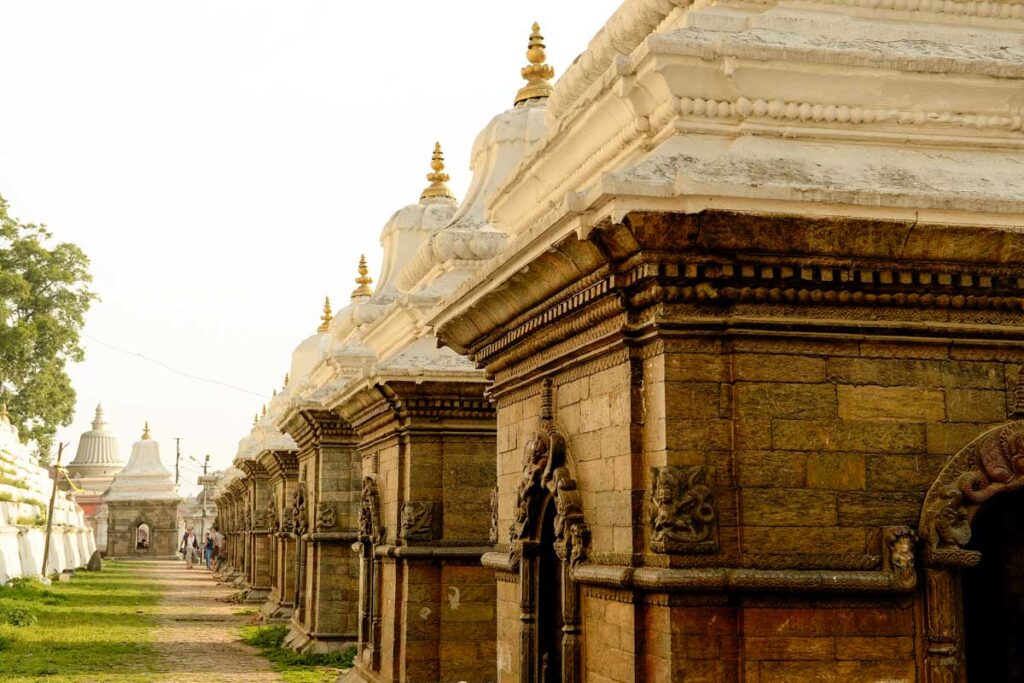
Then comes something harder — emotionally, spiritually. Pashupatinath isn’t just sacred; it’s unflinchingly real. One of Hinduism’s most revered temples, it sits along the Bagmati River, where life and death meet in public view.
The temple’s ghats line the Bagmati River, where cremation ceremonies unfold openly, smoke curling into the air as families gather, chant, and grieve within sacred tradition. This is one place that really has got to be experienced, when you witness in person the combination of life meeting death, it’s really very moving.
Afternoon: Asan Market
To shake off the weight of Pashupatinath, head to Asan — chaos in the best way. Narrow alleys pulse with motion — scooters weaving past vendors, chickens clucking near vegetable carts, shopkeepers calling out prices over stacks of turmeric and lentils. I moved through the crowd without a set path, letting the flow of people and sound guide me.
Every turn reveals something new — a shrine tucked into a wall, a flash of gold jewelry and the sudden scent of roasted peanuts. This market doesn’t just sell goods; it broadcasts the city’s rhythm in every direction.
As in most places, you need to barter, doit with a big smile, if you don’t get the price you’re looking for, then thank them politely and walk away. If they call after you with a better price then you were right, if they don’t call after you, then you were probably going too low – it’s a learning curve.
Evening: Garden of Dreams
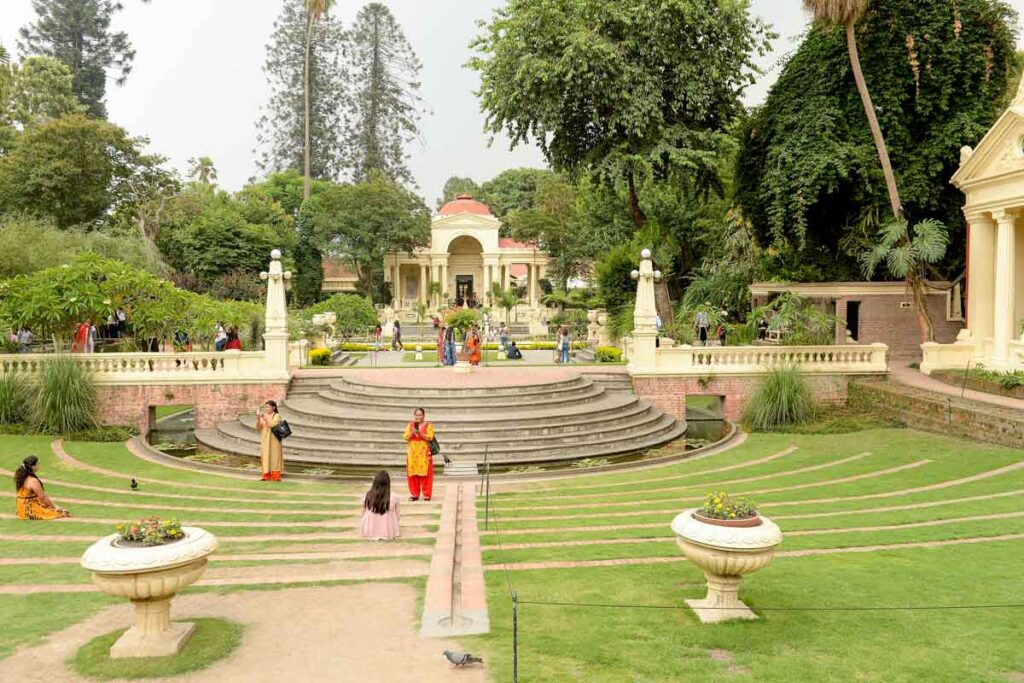
As the trip winds down, trade Kathmandu’s sensory rush for something more serene. The Garden of Dreams sits just outside Thamel, but it might as well be another world. Neo-classical pavilions, lotus ponds and manicured lawns replace the city’s grit with calm. Stretch out under a tree, let the sounds fade and take a moment to do nothing. After 48 hours of constant motion, this stillness feels earned.
There is a coffee shop in the gardens but to be honest, as lovely as the gardens are, I preferred to grab a coffee at a local shop, I loved the hustle and bustle of the city.
Wrapping Up an Unforgettable 48 Hours
Spending 48 hours in Kathmandu is just enough to realize how much more there is to see. From the calls of market vendors to the spiritual stillness of ancient temples, every moment immerses you in a world unlike any other.
Exploring this city isn’t just about checking off landmarks — it’s about connecting with the people, the traditions and the energy that make Kathmandu so special. It’s the kind of place that leaves an imprint, making you crave just one more market stroll, one more temple visit and one more plate of momo. I know I’ll go back, you can never have too much of Kathmandu!