
Luxor is a city where history isn’t just preserved—it surrounds you. Massive temples, towering statues, and intricate tombs stand as reminders of a civilization that thrived for thousands of years. Walking through the ruins, I couldn’t help but stop and take in the sheer scale of what was left behind. Every carving, every structure tells a story of pharaohs, gods, and a past that still lingers.
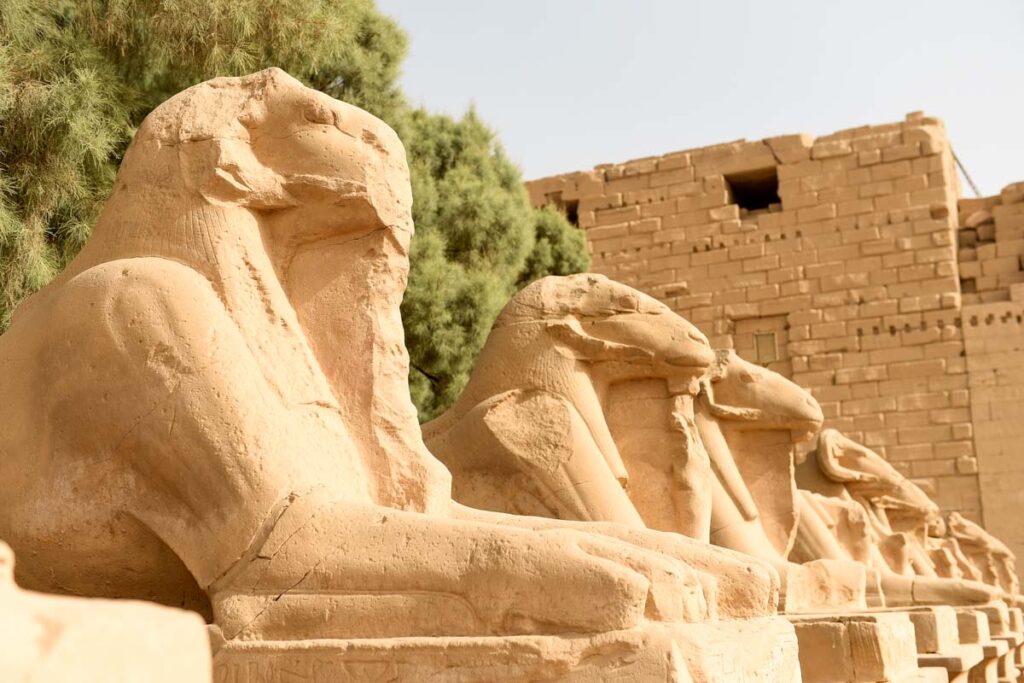
If you’ve ever dreamed of wandering through ancient temples or stepping inside a royal tomb, from the colossal Karnak Temple to the hidden beauty of Medinet Habu, I’ll share everything you need to make the most of your visit.
Must-Visit Temples in Luxor
Luxor’s temples are stories carved in stone, waiting to be uncovered. Each one offers a glimpse into the power, artistry, and devotion of ancient Egypt.
Karnak Temple: The Largest Religious Complex in Ancient Egypt
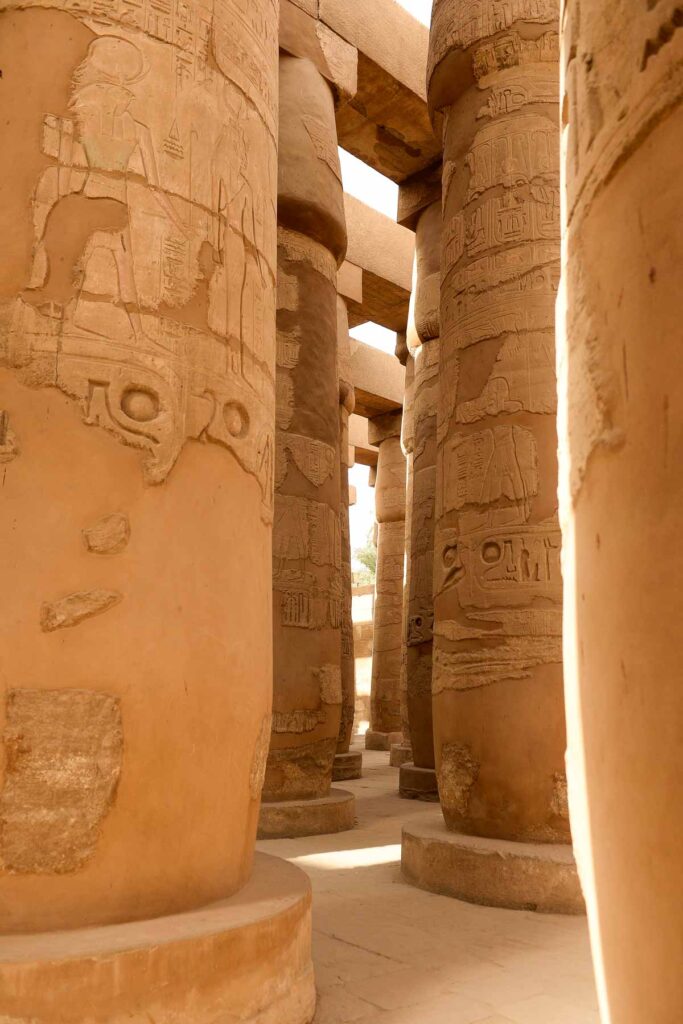
Karnak Temple is jaw-dropping—you feel tiny standing next to the columns, and the workmanship of the Egyptians is staggering. The massive pillars of the Great Hypostyle Hall dominate the space, while the Sacred Lake, once used for rituals, still reflects the sky. The obelisks of Hatshepsut and Thutmose I stand as enduring markers of the past. The Temple of Ptah and the Chapel of Osiris provide a quieter section of the site, away from the crowds.
You can actually see the ongoing restoration, and know that if you visit again, you’ll most likely see structures that were laying on the floor in piles this time around.
Pro tips:
- Arrive early or late afternoon for cooler weather and fewer crowds.
- Morning visits offer better photos; nighttime brings a magical Sound & Light Show.
- Staff may offer to take photos—safe to accept but expect to tip.
- A small café near the ceremonial baths is a great spot for a drink.
Luxor Temple: The Heart of Ancient Thebes
Luxor Temple sits in the city center, where ancient and modern life meet. The Avenue of Sphinxes once hosted grand processions, and the massive statues of Ramses II mark the entrance. Inside, detailed carvings depict Alexander the Great as a Pharaoh. Overlooking the temple, the Mosque of Abu Haggag reflects its layered history.
Pro tip: Visit during the day to soak in the details, but come back at night to see it beautifully lit—just be prepared for more visitors after dark.
Medinet Habu: A Hidden Treasure
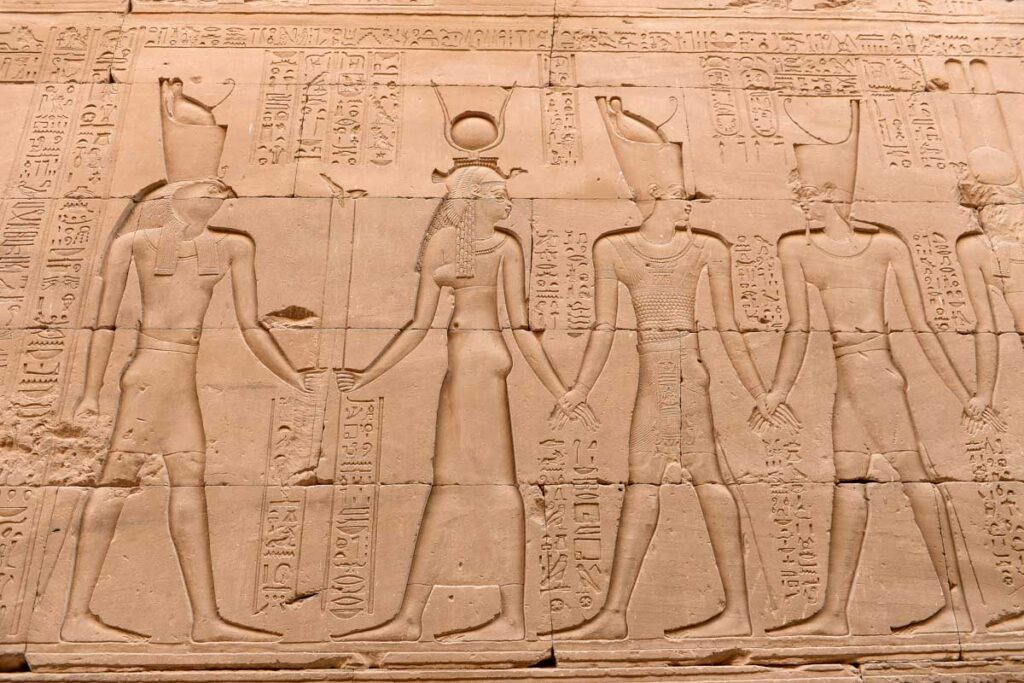
Medinet Habu may not get as much attention as Karnak, but it left me in awe. This temple, built as a mortuary site for Ramses III, boasts some of the most vivid and well-preserved reliefs I’ve ever seen, bringing ancient Egyptian battles to life in stunning detail. Walking through the Royal Palace, directly connected to the temple, gave me a rare glimpse into how a pharaoh once lived. The Second Pylon Inscriptions tell a fascinating story, recording the first known worker’s strike in history.
Pro tip: Unlike the busier temples, Medinet Habu offers a quieter, more immersive experience, especially in the early morning when the soft light makes for incredible photos.
Exploring the Valley of the Kings & Queens
Carved into Luxor’s cliffs, the tombs of pharaohs and queens preserve a lost world. Their walls, lined with intricate carvings and faded colors, reveal ancient beliefs and rituals.
Valley of the Kings
Standing at the Valley of the Kings, you know Egypt’s most well-known rulers — Tutankhamun, Seti I, Ramses VI and even Rameses I — are buried beneath your feet. Rameses I was mentioned a lot when I was there, and I even bought an amazing statue of him. Tutankhamun died at 19, and his tomb, discovered by Howard Carter, is smaller than expected, but his mummified remains are on display. Seti I’s tomb, one of the largest and most decorated, features detailed carvings and vibrant colors that have lasted for millennia. Many tombs still reveal traces of the original pigments, offering a glimpse into how they once looked in ancient times.
Pro tip: A general ticket grants access to three tombs, so it’s best to choose wisely. Visitors should ask which tombs are open before purchasing tickets, as availability varies.
Valley of the Queens
The Valley of the Queens includes the stunning Tomb of Nefertari, known for its vivacious wall paintings that look remarkably fresh. Its stunningly vivid paintings are a breathtaking reminder of the skill and artistry of ancient Egyptian craftsmen, but preserving them comes at a cost.
When I went this year, you couldn’t actually go inside this temple, as it was closed to the public for urgent restoration due to deterioration of the frescoes. However, by October 2024, the Supreme Council of Antiquities announced that they were considering reopening the tomb to visitors, following assessments of its preservation status. Given these developments, it’s advisable to verify the latest access policies before planning a visit, as the situation may have changed since the last available reports.
Unearthing the Past: Museums in Luxor
Not all of Luxor’s treasures lie beneath the sand—some are carefully preserved in its museums, offering an up-close look at the artistry and beliefs of ancient Egypt.
Luxor Museum
I loved how Luxor Museum felt more intimate compared to larger museums. Each artifact is carefully chosen, making it easier to appreciate its significance. The Royal Mummies of Ahmose I and Ramses I, the statue cache from Luxor Temple, and the Wall of Akhenaten provide direct insights into Egypt’s history. Unique finds like the well-preserved head of a statue of Amenhotep III showcase the craftsmanship of the time.
Visitors’ Info:
- Hours: Typically 9 AM–9 PM, with an afternoon break.
- Entrance Fee: ~100 EGP for adults, 50 EGP for students.
- No photography is allowed inside.
Mummification Museum
The Mummification Museum is a fascinating glimpse into one of ancient Egypt’s most mysterious traditions. Walking through its exhibits, I saw canopic jars, decorated coffins, and mummified remains, each revealing the intricate embalming process. The artifacts highlight the care and reverence ancient Egyptians had for the afterlife. This small but insightful museum offered a deeper understanding of the rituals that shaped their beliefs.
Visitors’ Info:
- Open daily from 9 AM–2 PM and 5 PM–9 PM.
- Ticket price: 220 EGP for foreign adults, 110 EGP for students.
- Photography is allowed with a fee.
Best Ways to Experience Luxor Beyond the Monuments
Luxor is more than temples and tombs—it’s a place to experience history in motion. Gliding over the Nile, sailing on a felucca, or navigating vibrant markets, every experience in Luxor brings history to life.
Hot Air Balloon Ride
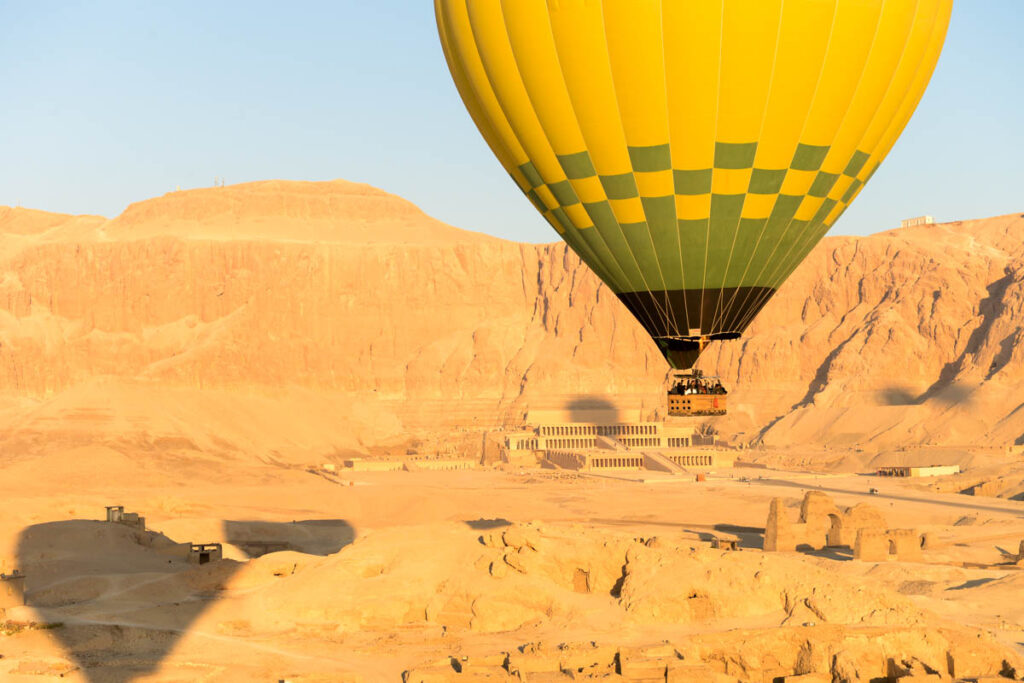
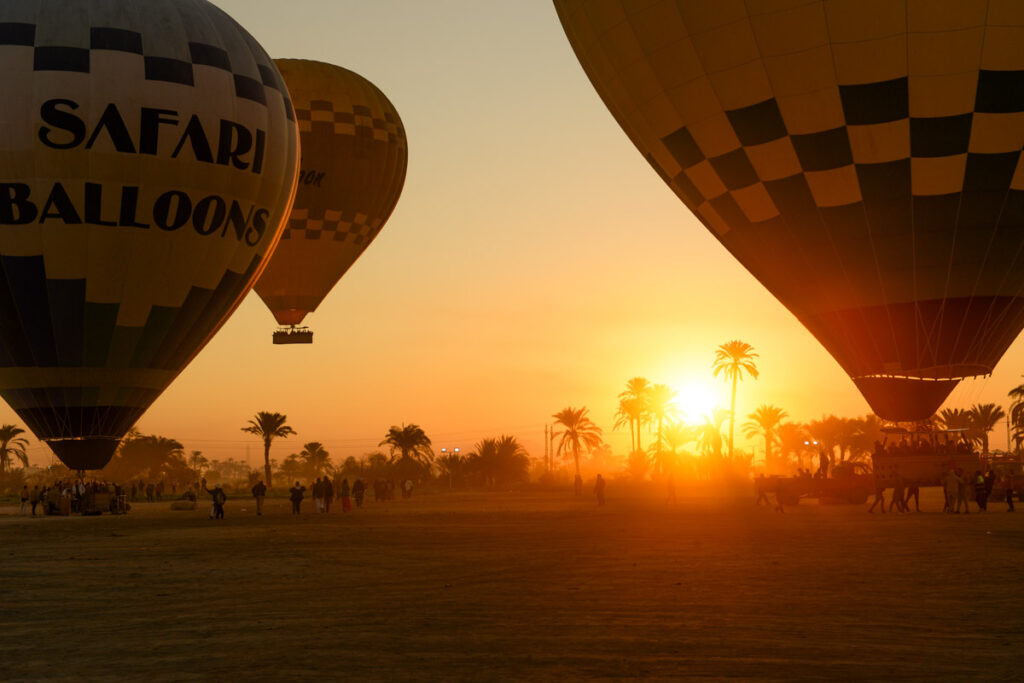
Drifting over Luxor at sunrise in a hot air balloon is unforgettable. As the sun rises over the Nile, temples, tombs, and villages come into view. Seeing Luxor from above highlights its vast history, with over 50 balloons taking off when I went. The aerial view offers a unique perspective of the city’s ancient landscape.
Nile Felucca or Sunset Cruise
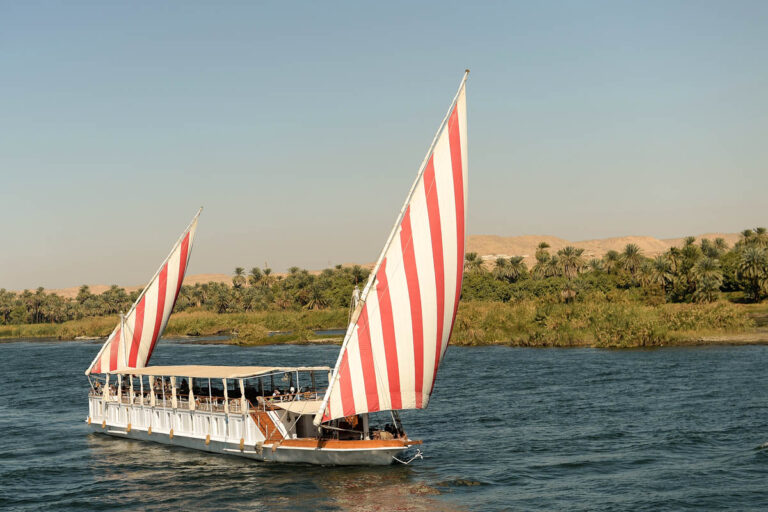
Sailing the Nile on a felucca or cruise boat is a peaceful way to experience Luxor. As the sun sets, the sky glows in shades of orange and pink, reflecting on the water. Many feluccas follow traditional routes past landmarks like Banana Island, while multi-day cruises travel between Luxor and Aswan, stopping at temples along the way. The slow pace of the river allows for a closer look at daily life along its banks, from farmers tending fields to children playing by the shore.
Local Markets & Souks
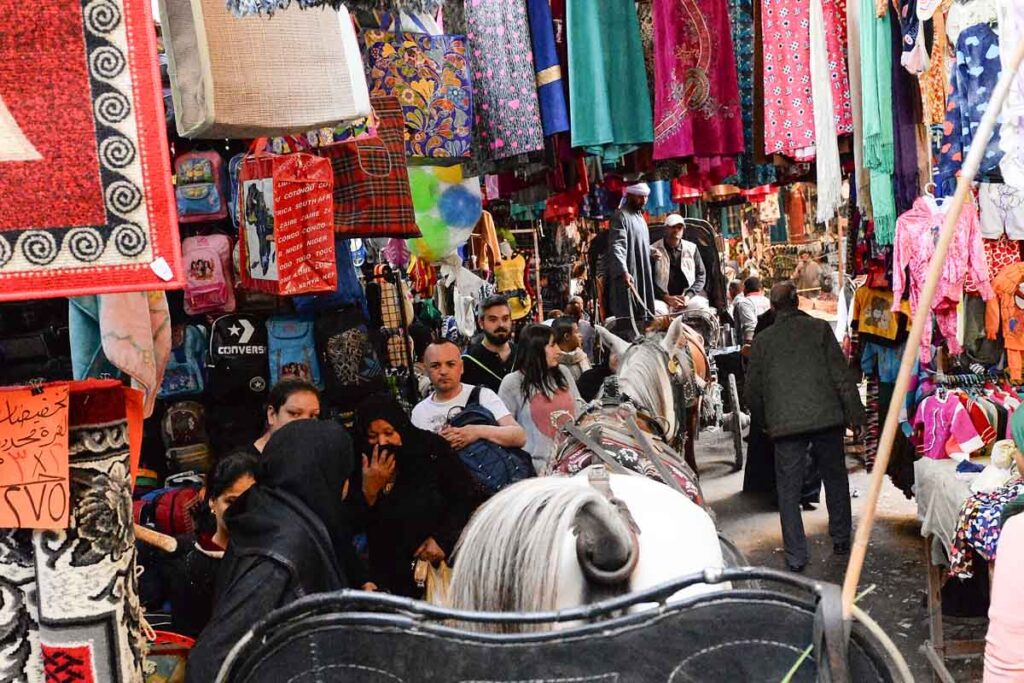
Luxor’s markets are a lively mix of colors, scents, and sounds. Stalls overflow with spices, handcrafted jewelry, and textiles, each reflecting Egyptian tradition. Haggling with shopkeepers is expected, often leading to unique finds and a bit of friendly banter. Merchants call out their best deals, and the scent of fresh bread fills the air, making the markets a true glimpse into daily life.
Pro tip: Hop on a horse-drawn carriage. It is a charming and relaxing ride through the bustling streets. Bartering for a good price was part of the experience—I managed to get an hour-long ride for just 40 EGP.
Luxor: A City That Lives and Breathes Its Past
Luxor isn’t just a city of ruins—it’s a place where history and daily life intertwine. Walking through Karnak or the tombs in the Valley of the Kings, it’s impossible not to feel the weight of the past, carved into stone and painted onto walls that have survived for millennia. Feluccas still glide along the Nile, shopkeepers in the souks call out to passersby and the scent of spices drifts through the air. The ancient and the modern exist side by side, making every visit an experience of a city that continues to thrive.