
Egypt had been calling my name for years, and when I finally booked the trip, I quickly realized it wasn’t the kind of place you can just wing. From navigating visas to understanding cultural expectations, a little prep work made a huge difference—and let me focus on soaking up the experience once I landed. If you’re planning your own Egyptian adventure, here’s everything I learned that made my trip smoother, safer, and way more fun.
Entry Requirements & Visa Process
Visa on Arrival
When I landed in Cairo, I breezed through the Visa on Arrival process because I came prepared. If you’re from an eligible country, you can get one at the airport for $25 USD, valid for 30 days. Just make sure your passport doesn’t expire within six months of your arrival. Egypt doesn’t bend the rules here, so check your dates early.
e-Visa
I skipped the airport line by applying for an e-Visa online a week ahead of my flight. The process felt quick and straightforward, but don’t push it to the last minute—processing times can vary. I printed out two extra copies of both the e-Visa and my passport, which came in handy more than once.
Pro tip: Print out multiple copies of your e-Visa and passport—having backups can save you from a lot of unnecessary hassle.
Multiple-Entry Visa
If you plan to hop in and out of Egypt while exploring the region, go for a multiple-entry visa. I used mine to visit Jordan and return to Egypt without dealing with re-entry headaches. Not every traveler qualifies for this at the airport, so check your country’s requirements before booking anything.
Packing Essentials
Packing smartly for Egypt means preparing for its warm climate, busy streets, and unique cultural norms. Having the right clothing, toiletries, and travel accessories will make your trip more comfortable and stress-free.
Clothing & Must-Haves
Egypt gets hot—no surprise there. I packed lightweight, breathable clothes that kept me cool and respected local customs. I avoided shorts in rural areas and always brought a scarf to cover my shoulders when visiting religious sites. My best decision? Packing sturdy, comfortable walking shoes. Ancient ruins and temple paths don’t go easy on your feet. Also, Egypt uses a power adapter Type C & F plugs (220V), and finding one last-minute can be a challenge.
Miscellaneous Lifesavers
Some small items made a big impact. Pocket-sized toilet paper and hand sanitizer are non-negotiable—many public restrooms don’t provide either (yes, really). A small daypack is also a lifesaver for carrying water, sunscreen, and all the souvenirs you inevitably end up bargaining for at the markets. And if you want to stay connected, grab a local SIM card, such as Vodafone, Orange, or Etisalat, because Wi-Fi can be unpredictable.

Transportation
Navigating Egypt is an adventure of its own—knowing the best transportation options will help you travel smoothly and sidestep common travel hassles.
City Travel Hacks
Uber and Careem made city travel simple. I avoided awkward price negotiations and got where I needed to go without stress. In Cairo, I tried the Metro—it was clean, fast, and dirt cheap, though I avoided it during rush hour. If you take a local taxi, always agree on a price before the ride. If they give you a price, clarify before you get into the car, if that’s total price or per person price, I got caught out once, but never again.
Long-Distance Travel
Covering long distances in Egypt needs a bit of planning, but there are some great options. If you’re heading from Cairo to Luxor or Aswan, the train is your best bet—splurging on a first-class sleeper train makes overnight travel far more comfortable. If time is tight, domestic flights with EgyptAir are the quickest way to hop between major cities. Hurghada to Cairo will take 7 hours each way in the car, but it’s an hour’s flight.
Safety & Health
Before you go, think carefully about the area you are planning to visit. Being prepared for the local environment can help you avoid unnecessary stress.
Is Egypt Safe? Yes—But Be Aware
I felt safe the entire time, especially in tourist-heavy areas like Cairo, Luxor, Aswan, Sharm El Sheikh, and Hurghada. Police presence is high, and locals stay friendly and helpful. If you’re a solo traveler—especially a woman—you might get extra attention. I stayed polite but firm, and that usually did the trick.
While Egyptians are some of the friendliest people I’ve met, scams do exist—those “helpful” strangers offering free advice often expect a tip or will conveniently lead you to their cousin’s shop.
Health Tips: Dodging Pharaoh’s Revenge (a.k.a. Traveler’s Stomach)
Egypt may be a trip of a lifetime, but let’s talk survival—starting with water. Tap water is a hard no—stick to bottled or filtered water unless you enjoy playing digestive roulette. I always pack anti-diarrheal meds just in case, because you don’t want to find out the hard way why they call it “Pharaoh’s Revenge.” And then there’s the Egyptian sun—it doesn’t mess around. SPF 50+, sunglasses, and a good hat aren’t optional unless you’re aiming for a sunburn that will haunt you for days.
Cultural Customs & Etiquette
Understanding Egypt’s customs and traditions will help you navigate social interactions with ease. From appropriate greetings to respectful dress codes, following local etiquette will enhance your travel experience.
Cultural Customs
Egypt is a conservative country, but it’s not overly strict, especially in tourist-heavy areas. Shorts and t-shirts are perfectly fine in places like Cairo or Luxor, but if you’re visiting mosques or wandering through local neighborhoods, covering your shoulders and knees is a sign of respect. Ladies, a light scarf is your best friend—not just for covering up at religious sites but also for shielding yourself from the relentless Egyptian sun.
When it comes to greetings, handshakes are common, but if you’re meeting a woman, it’s polite to let her extend her hand first. If you want to start off on the right foot, a warm “Salam Alaikum” (peace be upon you) goes a long way.
Etiquette to Know
Tipping, or “baksheesh,” is deeply ingrained in Egyptian culture. Alcohol consumption is another area where Egypt differs from some other destinations. While alcohol is available in hotels, resorts, and certain bars, public intoxication is frowned upon, and it’s best to keep drinking in designated spaces.
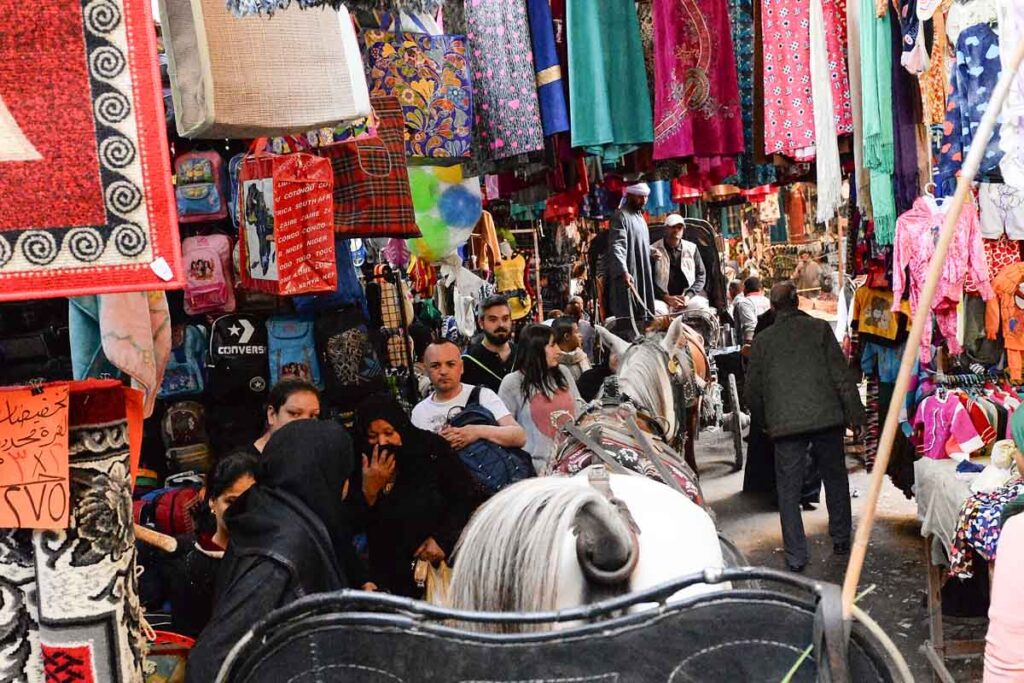
At markets, I embraced the art of haggling. Vendors expect it, and the back-and-forth often turned into a fun experience. I started low, smiled, and walked away if I didn’t like the offer—most of the time, the vendor called me back with a better price.
They will probably ask you to give a price that you’re willing to pay, refuse, you usually don’t know what the price is, I usually say that I don’t want to embarass them by giving a low price and I stick to my guns. When they give a price you then know where to start, I typically go just under half price.
Your Egyptian Adventure Awaits
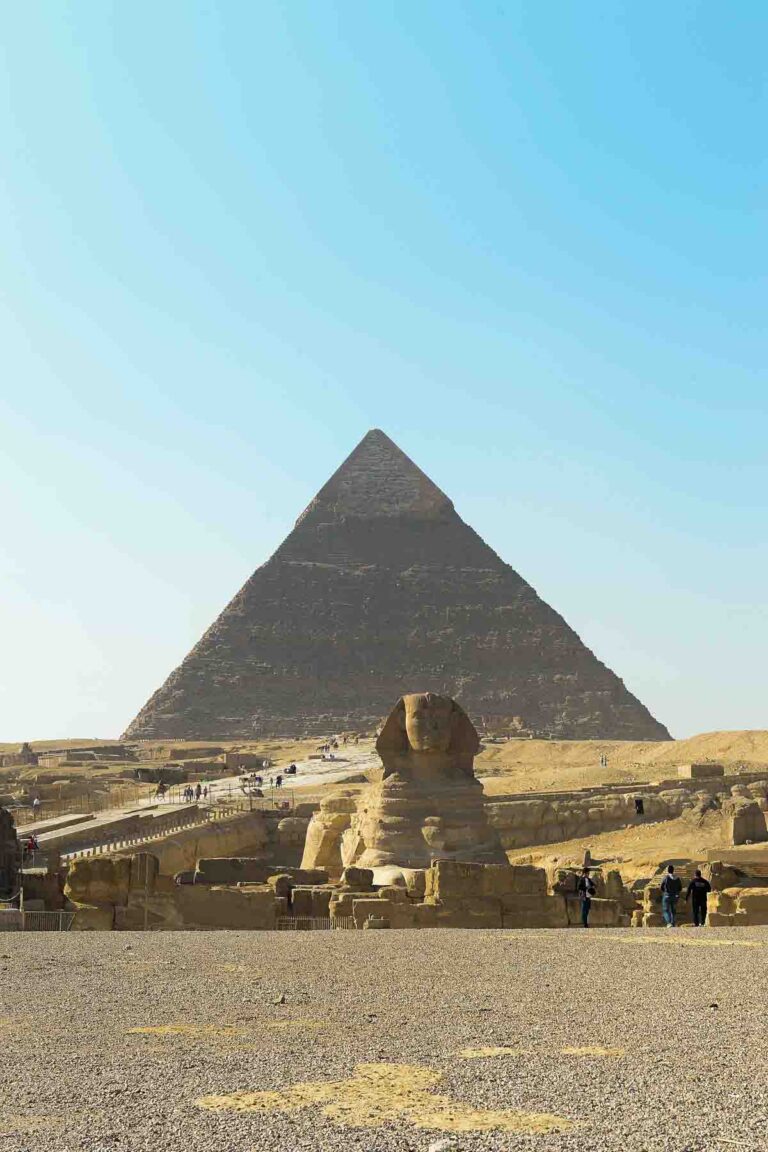
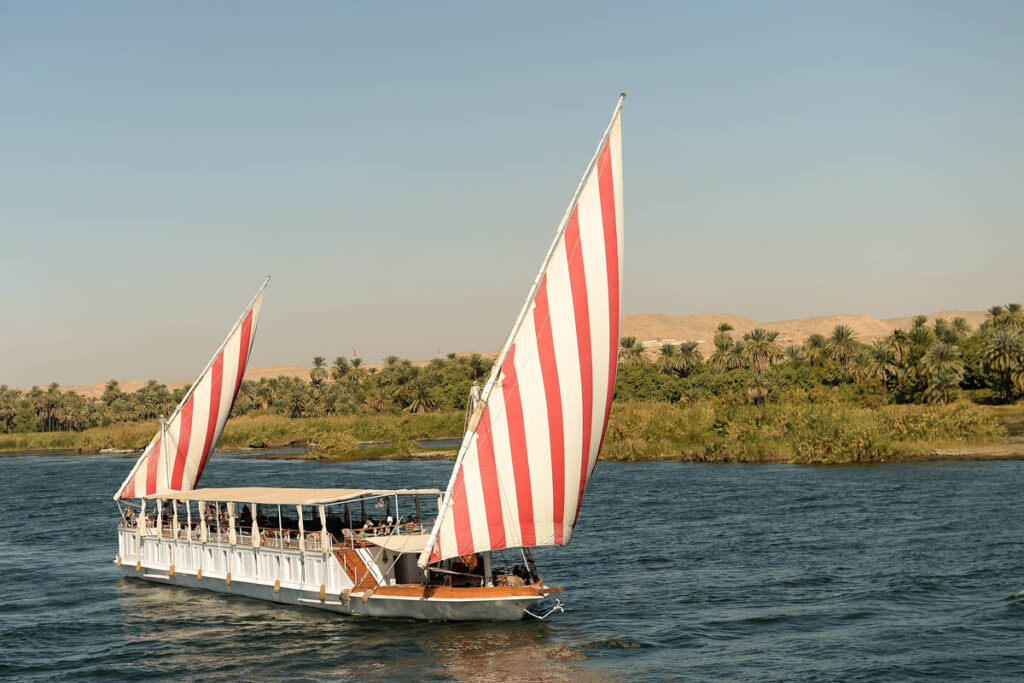
Planning a trip to Egypt may feel overwhelming, but every detail you sort out ahead of time turns into peace of mind once you’re there. I left Egypt with unforgettable memories—watching the sunrise over the pyramids, sailing the Nile, chatting with locals over tea—and I wouldn’t trade a second of it. If you prepare well, you’ll spend less time stressing and more time soaking in the magic.