
I watched the most common luxury Kenya safari planning mistake happen before I even left Nairobi. At the domestic terminal, tired travelers with soft cases and heavy camera gear pushing straight onto small planes heading for the bush. In the tiny Governors Aviation waiting room, I saw long-haul travelers sprawled across the handful of chairs, asleep mid-layover and looking wrecked from long-haul flights, before we were called out to a 12-seater aircraft.
Where to stay in Nairobi before a Kenya safari
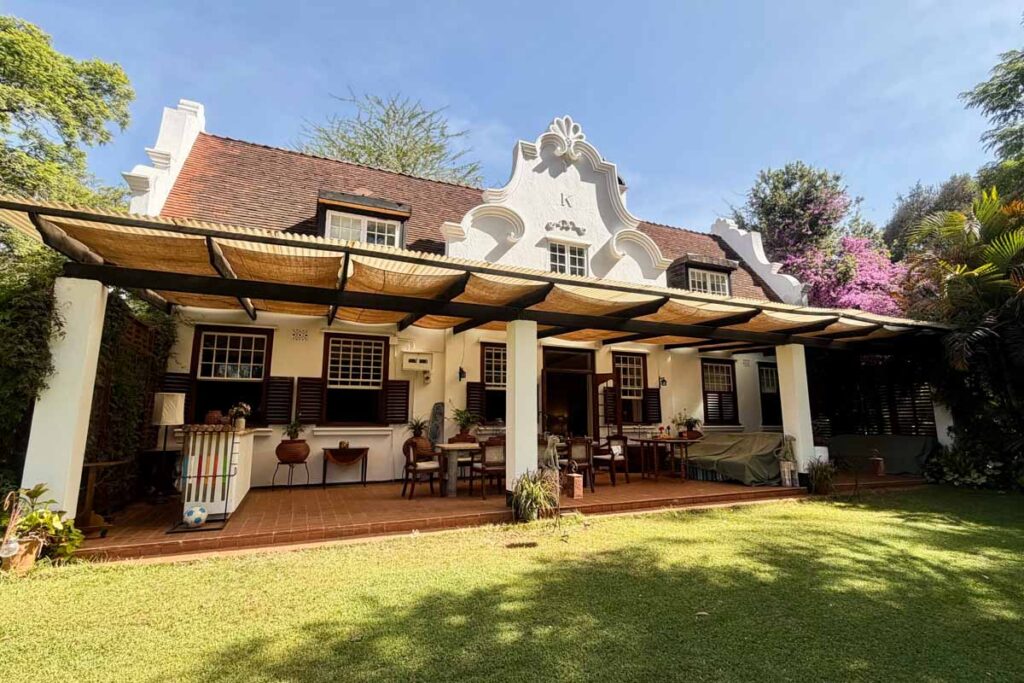
I landed at 9:00 p.m., got to Sheba’s Secret Garden by 10:30, and stayed two nights. That choice changed the whole trip. The day after travel, I got up late, had breakfast, then sat on the comfy garden chairs and let my body catch up to the time zone.
By the second morning, I wasn’t bracing myself for the day, I was ready for it. Safari runs on early starts. If you begin it exhausted, you don’t just feel tired, you miss the best hours. For a luxury Kenya safari itinerary, that Nairobi reset matters more than people admit. Sheba’s suited me, but Hemingways Nairobi is the hotel version of the same idea, arrive, sleep, exhale, fly out.
When it was time to leave Nairobi, the domestic terminal setup made it obvious how quickly the pace ramps up. Governors Aviation’s reception area is tiny, with only a handful of chairs before you’re called through. We moved straight from that small room to a 12-seater plane.
Why Mara North Conservancy is different
People often assume a higher price automatically means a quieter safari. It doesn’t. Crowding is driven by access rules and by how many vehicles are funneled into the same wildlife corridors, not by what you paid per night. That’s why I’d choose a conservancy in the Maasai Mara over the busiest sections of the reserve if space matters to you.
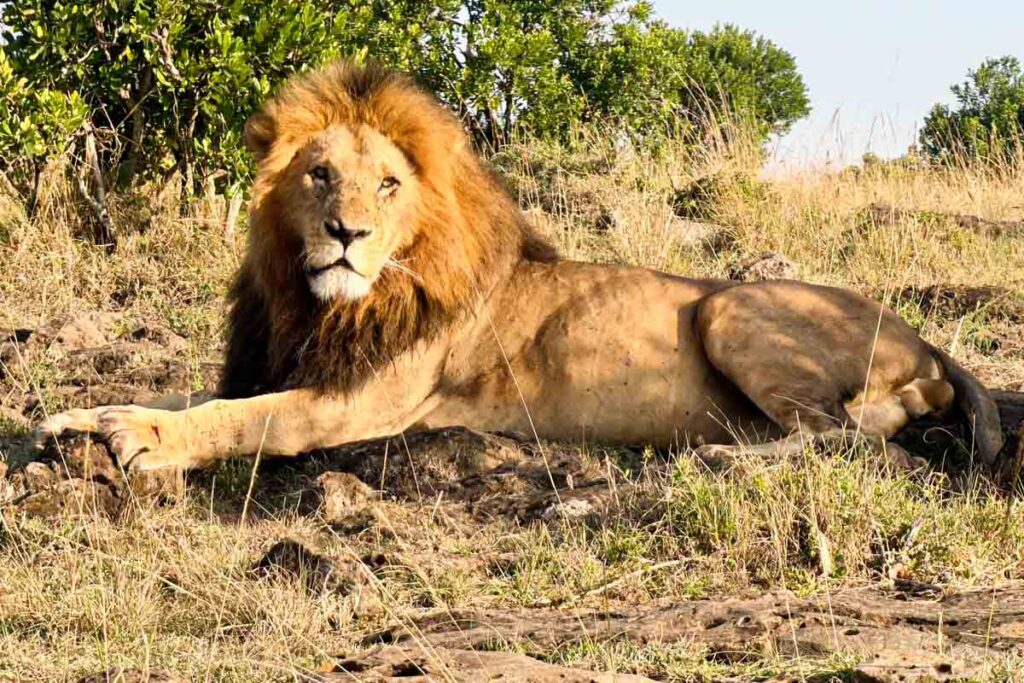
Mara North describes itself as a not-for-profit partnership between tourism operators and Maasai landowners, designed to protect habitat while creating income tied to wildlife and habitat protection. My guides told me they try not to let more than five vehicles gather around animals, and they encouraged us to stay quiet. That wasn’t theory. We really didn’t have more than five vehicles at sightings.
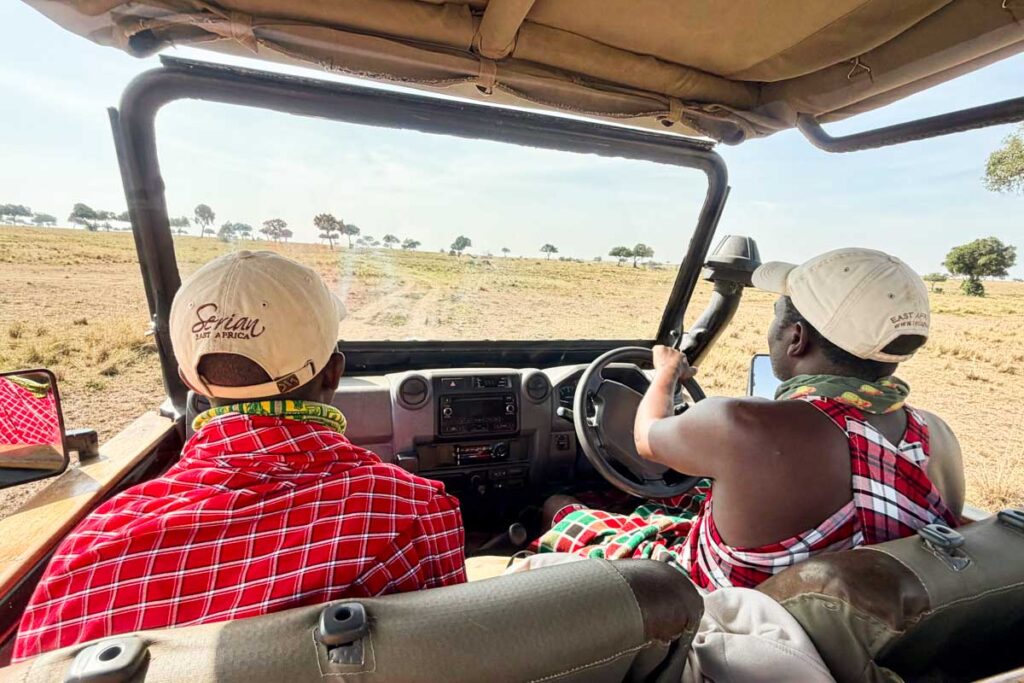
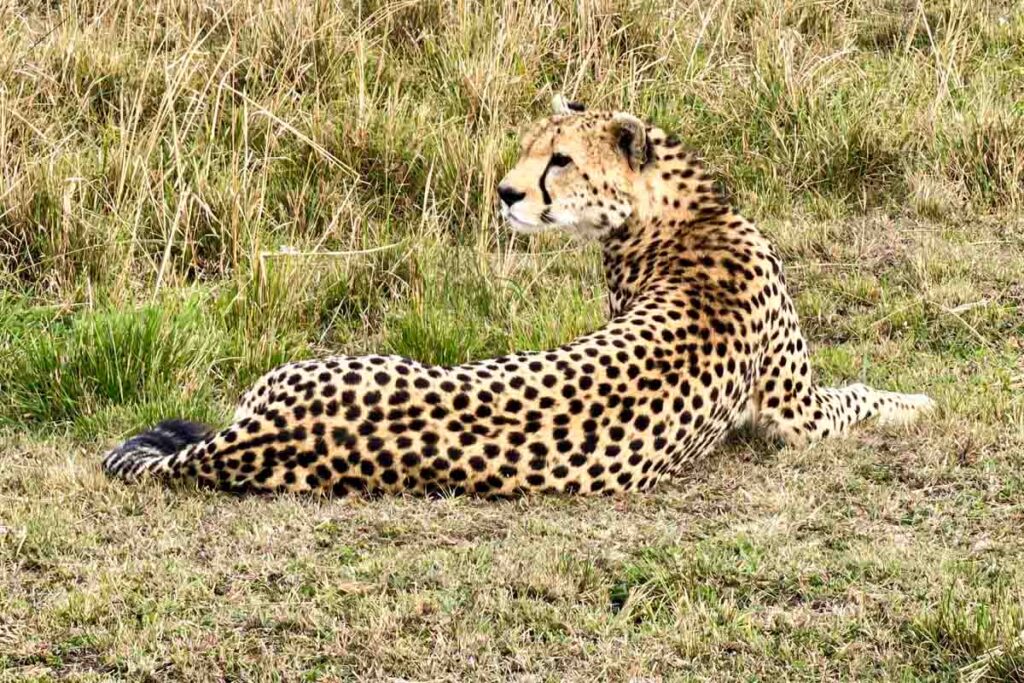
The bigger advantage was flexibility. Other vehicles came and went, then left, because they were on timed itineraries. We weren’t locked into that schedule; we had a vehicle to ourselves, not waiting for other guests to arrive, no one getting bored and wanting to move on when we were loving what we were seeing, and no missing out because we were sitting on the wrong side of the vehicle. We circled back later, and it paid off with a close-up leopard sighting after the area had cleared, and we watched it properly, not over a line of bonnets.
I stayed at Ngare Serian, a small tented camp, Ngare Serian, in the Mara North Conservancy with four tents. The luxury isn’t a resort setup. It’s the small scale, and what that buys you out on the drives.
Adding Laikipia after the Mara
Even with a great camp, the Mara can start to blur if you stay in one landscape doing the same rhythm every day. An early 6 a.m. drive, a break in the heat, then back out around 4 p.m. when the light softens. I loved it, but you do start to feel the heat and the early starts.
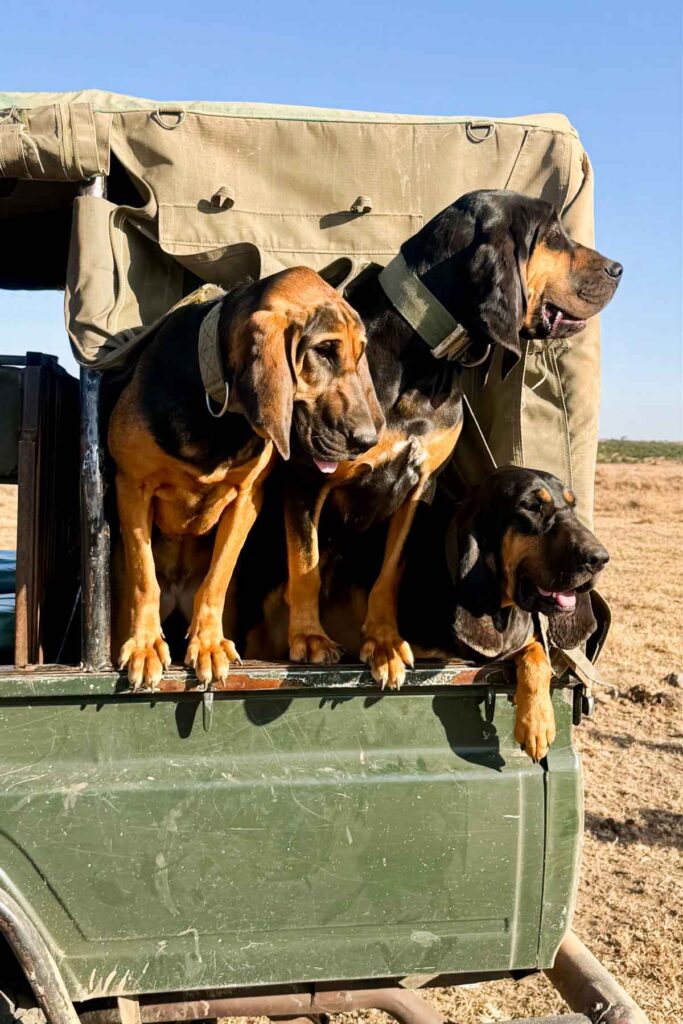
Adding Laikipia was the smartest move on the itinerary. At Segera, we slowed down, and the days didn’t feel like repeats. It wasn’t only game drives. Segera runs a conservation dog unit, and guests can take part in a scent-trail demonstration by laying a track for the dogs to follow.
When it was my turn, I shuffled my feet through the dusty bush and walked. That was the track. About half a mile. The dogs found me quickly. I could hear them coming before I saw them, focused and fast, then suddenly right there. Watching them lock on so quickly made the work feel real, not like a talk you listen to and forget. Segera also offers the Nay Palad Bird Nest, a raised outdoor “nest” for sleeping under the sky.
Questions to ask before booking a Kenya safari
If you’re booking a luxury Kenya safari, these are the questions that protect the trip. Is there a buffer night in Nairobi after the international flight? How many consecutive early starts are built into the schedule, and where is the recovery? How long are the transfers on travel days? Where exactly do the drives operate, and what controls crowding there? And if an itinerary includes extras like walking, night drives, or a conservation experience, are they properly timed, or squeezed between flights and back-to-back drives?
Luxury Kenya safari planning on safari isn’t a bigger tent. It’s an itinerary that lets you recover before early starts, gives you space at sightings, and changes scenery mid-trip so the week doesn’t blur.