
For travelers planning to visit Kenya, Nairobi is usually treated as a quick stop between flights. That’s a big mistake, jet lag is real. A well-organized stay in Nairobi can protect the first days of safari from jet lag, and later it can be the easiest base for Karen-area stops like the Sheldrick elephant nursery and the Giraffe Centre, plus a proper lunch in between.
Where to stay in Nairobi before a safari
Nairobi can be a throwaway night, or it can stop your safari from starting in a fog. I stayed in Nairobi for two nights before heading out to the bush, and later used the city again as a base between the safari and the coast. This is what worked, where I stayed, and the Nairobi stops that were worth the time.
If you land and immediately push on to the bush, you’re gambling with the first days of safari. 6AM starts the very next day, and it’s easy to waste the best wildlife hours simply because your body hasn’t caught up. It doesn’t matter how excited you are for the bush; you will be tired, so allow time to reset.
If you’re still mapping out the bigger trip, read my guide to planning a luxury Kenya safari without crowds or burnout.

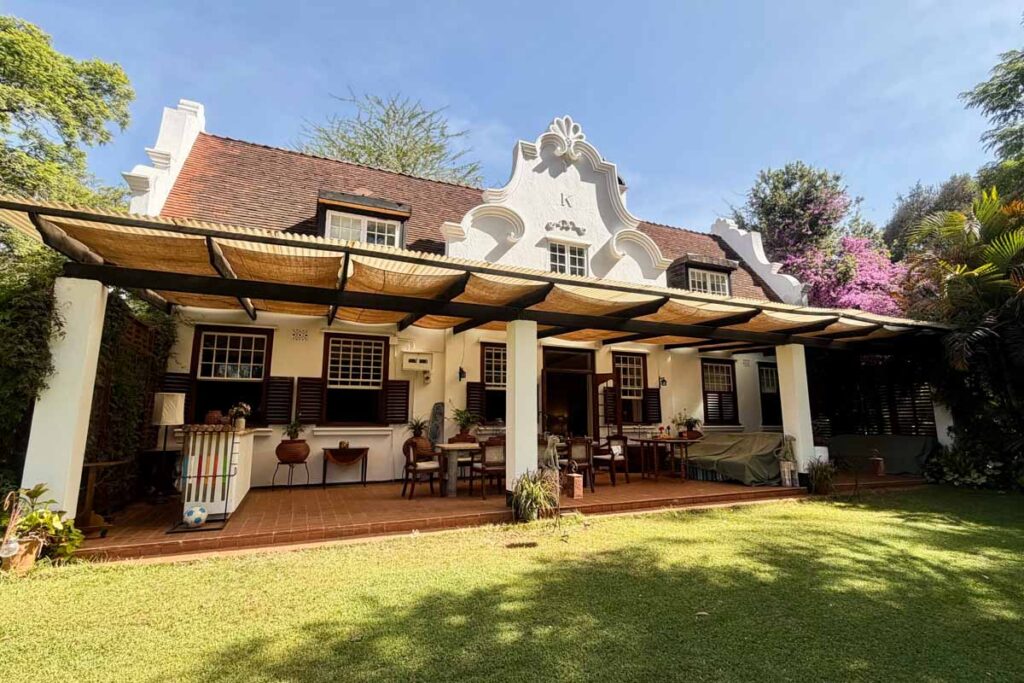
Sheba’s Secret Garden in Karen Nairobi a private hosted stay
So I didn’t rush straight out. I landed at 9:00 p.m., got to Sheba’s Secret Garden by 10:30, and stayed two nights. It’s a private, hosted house in Karen, one of Nairobi’s leafier suburbs. The next day was chilled out on purpose, breakfast, garden chairs, and time to catch up before the early starts began.
At Sheba’s Secret Garden you get a dedicated butler and chef, which is exactly what you want after a late flight. You eat when you’re ready, then you go to bed. No menus to decode, no taxis, no “what now.” There was a fire crackling in the main room, soup was made, and I was offered a refreshing drink and a warm welcome on arrival.
The food wasn’t generic stopover fare. Lunch came out as proper plates, stuffed zucchini on a tomato sauce with mint, cauliflower cooked until the edges browned on a bright beetroot-style puree with a dark sauce on the side. Dessert was ice cream with berry drizzle, honeycomb shards, and mint.
Outside, the garden feels like a green pocket cut off from the city, big trees, shade, and lawn space that makes it easy to forget you are in Nairobi. Sheba also has a micro-gin distillery on-site. If you like that sort of thing, it’s worth a look.
Leaving Nairobi is when you realise how quickly safari pace takes over. Governors Aviation’s reception area is tiny, with only a handful of chairs, and then you step outside, walk around the corner and into one of the smallest departure gates I’ve ever seen. We went from that small gate straight across the tarmac to a 12-seater plane.

Hemingways Nairobi hotel base for Karen and day trips
Later in the trip, I returned to Nairobi and stayed three nights at Hemingways Nairobi before flying to Watamu on the coast. It was part rest and part sightseeing. Hemingways is an established luxury hotel, and it runs the kind of stay that makes Nairobi feel easy, with airport pick-up, then the option to hire a driver to take you around the city without turning every outing into a negotiation.
While I was there, it was clearly a popular choice for American travelers, which makes sense. It’s the sort of place you can come back to between plans, reset properly, and still use Nairobi as a base for the Karen stops.
Sheldrick Wildlife Trust elephant orphanage Nairobi what to know before you go
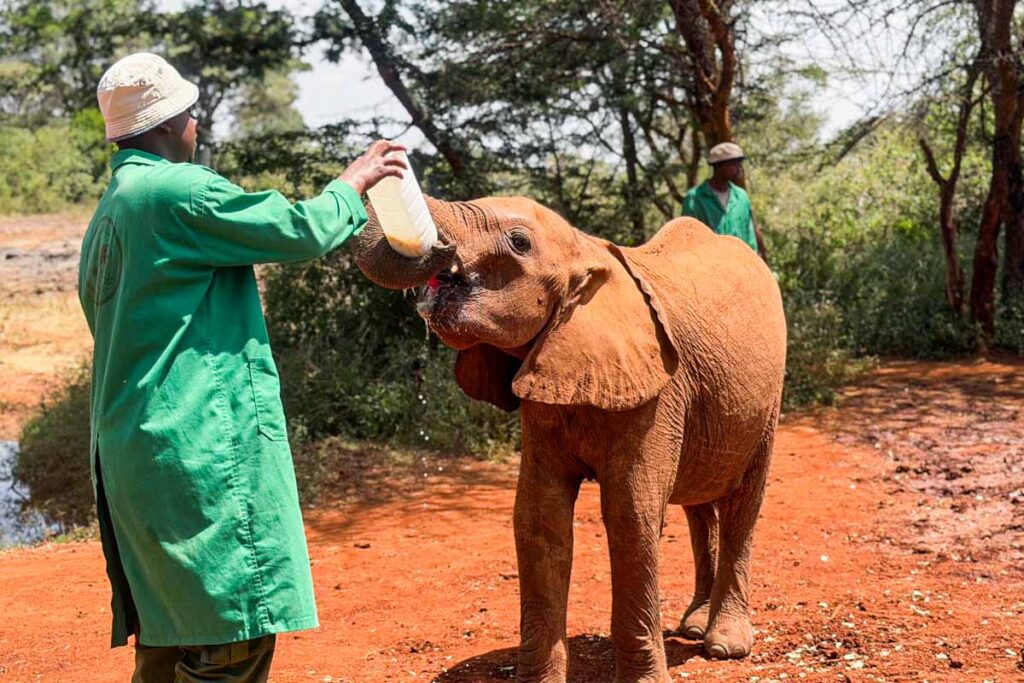
The Sheldrick Wildlife Trust’s Nairobi Nursery is a one-hour visit, and it’s timed; you book ahead, and you’re there for the 11 a.m. to noon window. You’re close enough to see the personalities, not just elephants at a distance.
Wear something you’re happy to get dirty. It’s dusty, and one enthusiastic baby elephant splashed mud all over me. I laughed. Not everyone will. You can adopt an elephant to help with running costs and follow their progress afterwards. I adopted Toto.
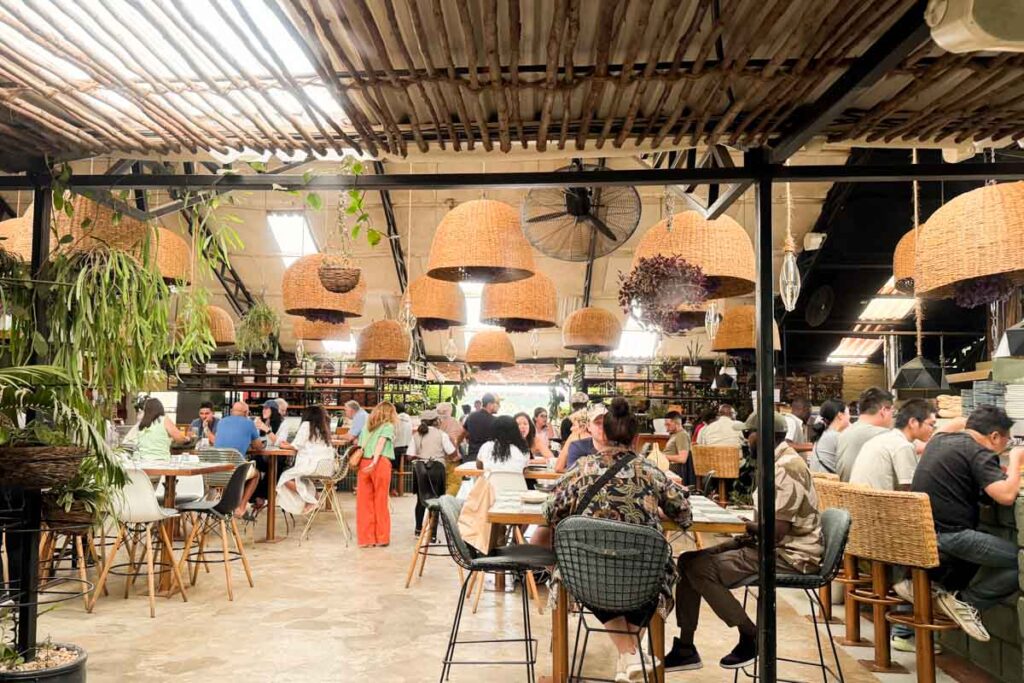
Cultiva, Karen, Nairobi lunch stop
Cultiva was our lunch stop in Karen, on Pofu Road, and it worked because it broke the day up properly. The room is big and airy with woven basket lights, plants everywhere, and an open kitchen feel, the sort of place where you can breathe for an hour instead of shoving food in between stops.
Food-wise, we had a beet-heavy salad piled with greens and crisp, paper-thin shards on top, plus a flatbread-style pizza finished with rocket and a dark balsamic drizzle. There were also small charcoal-coloured buns stuffed like sliders, which looked odd in the best way and tasted even better than they photographed.
This is the Nairobi formula that worked for me: one main morning stop, then lunch, then something light in the afternoon. If you try to cram Sheldrick, giraffes and anything else into one packed day, you end up tired again, which is the whole thing you’re trying to avoid.
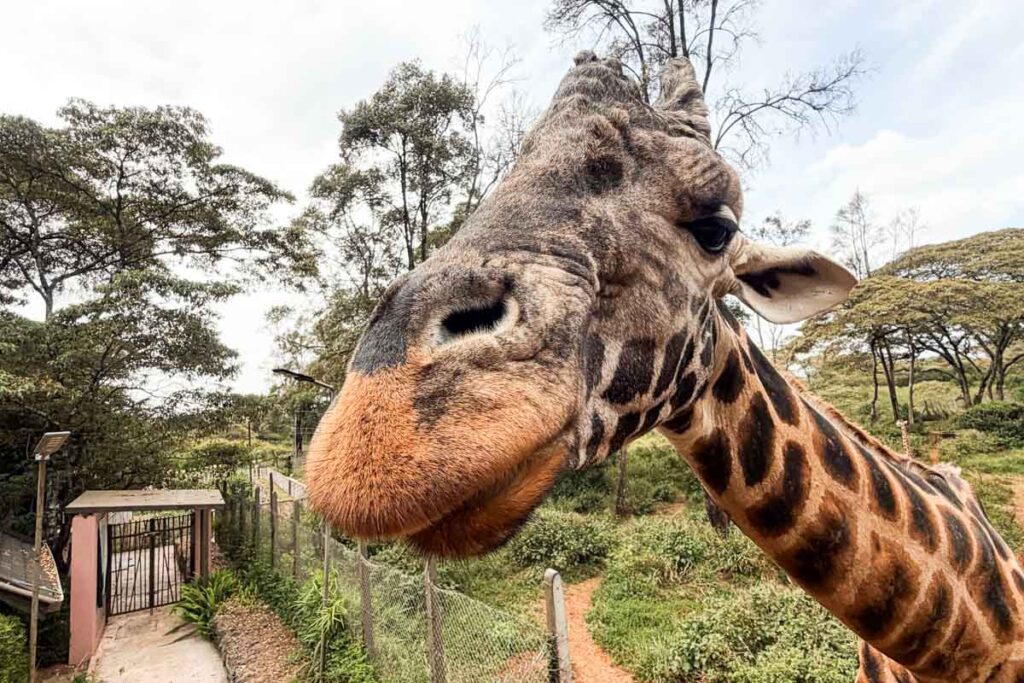
Giraffe Centre, Nairobi visit tips
If you want to do the Giraffe Centre, treat it as its own stop, not a bolt-on you squeeze in because you feel like you “should.” It’s in Karen, it’s easy to reach, and it’s best when you’re not checking the time. The simple way to plan it is one main thing per day. Do Sheldrick on one morning, then lunch and back to your base. Do the giraffes on a separate morning, or on a day when you’re not doing anything else that needs you to be on a tight schedule.
It’s a close-up visit on the raised feeding platform, then you’re done. It works best when you give it its own slot, not when you’re racing between plans.
How many days in Nairobi before a Kenya safari
If you’re going straight into safari, one night in Nairobi is the minimum; two nights is better if you land late or want a real reset day, as I did at Sheba’s. That gives you one full night’s sleep and a calm morning before the early starts begin.
If you also want to do Nairobi’s Karen-area stops, add another one to two nights. Sheldrick is timed and dusty and you’ll enjoy it more if you’re not rushing, and the Giraffe Centre is best when you give it its own slot. Nairobi can also justify extra time because it’s not just a stopover city. There are genuinely high-quality restaurants, interesting shops, and enough places to visit that you could fill another day without forcing it.
That’s why my trip had two nights before safari, then three nights later at Hemingways as a base between safari and the coast. Nairobi works best when you don’t stack it like a checklist. Pick one main plan for the day, then stop.